Superfoods may come and go. Food trends change every season. But extra virgin olive oil has never needed a marketing campaign to prove its worth. For thousands of years, it has remained one of the cornerstones of Mediterranean cuisine, valued not only for its flavor but also for its versatility. Olive oil expert Joana Lourenço explains what to look for in a good olive oil.
Valued, and yet, one of the most important ingredients is still too often chosen for convenience or price rather than character: olive oil. The irony is that a restaurant can invest thousands in exceptional ingredients, world-class equipment, thoughtful design, and impeccable service, only to let an anonymous, uninspiring olive oil whisper the final word. So, let’s talk about your olive oil.
“Perhaps no ingredient is more underestimated than olive oil”
Extra virgin olive oil is rarely just another ingredient. More often than not, it’s the final flavor a guest experiences before putting down the fork. It frames the dish, carries aromas, rounds textures, and often determines the lasting impression. Perhaps no ingredient is more underestimated than olive oil. From the first splash in the pan to the final drizzle before service, it shapes flavor at every stage of the cooking process.
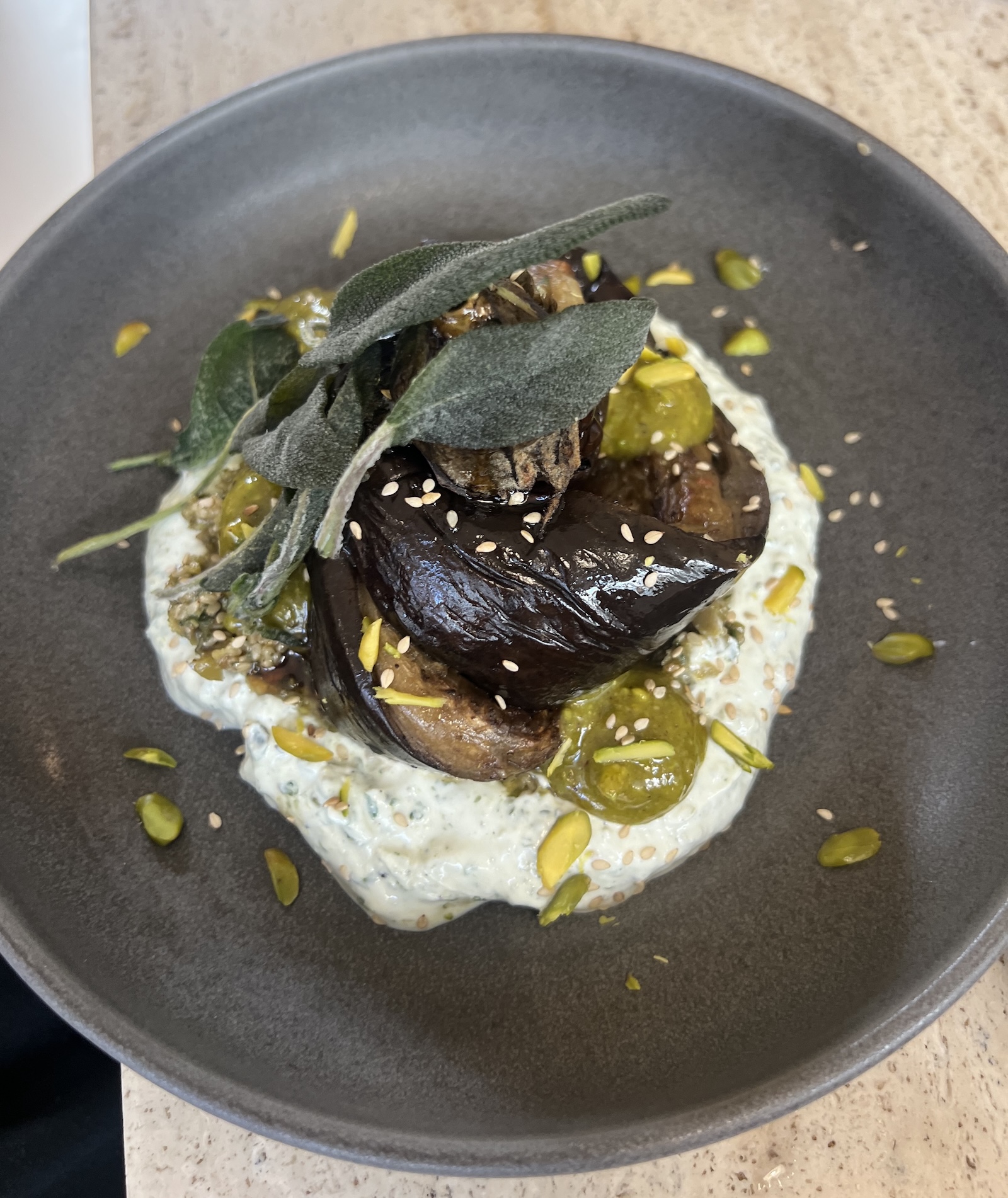
A high-quality extra virgin olive oil doesn’t overpower food – it elevates it. It brings out the sweetness of vegetables, enhances grilled fish, adds richness to pasta – and even shows its full potential in unexpected dishes, such as cakes and chocolate desserts.
The best ingredients don’t compete for attention. They make everything else shine. In the end, great olive oil doesn’t ask to be noticed. It simply ensures that everything else is remembered.
How to make a better choice
What should you look for on the label? A good olive oil label should tell you more than simply ‘Extra Virgin.’
Look for:
-
Harvest date, not just the best-before date. Fresher is generally better.
-
Country of origin and, ideally, the specific region where the olives were grown.
-
Olive varieties, as these influence flavor and aroma.
-
Information about the producer or estate, which often indicates greater traceability.
-
Packaging: olive oil in a dark glass bottle or – even better – a metal tin protects the oil from sunlight. Light speeds up oxidation, which leads to loss of aromas and taste.
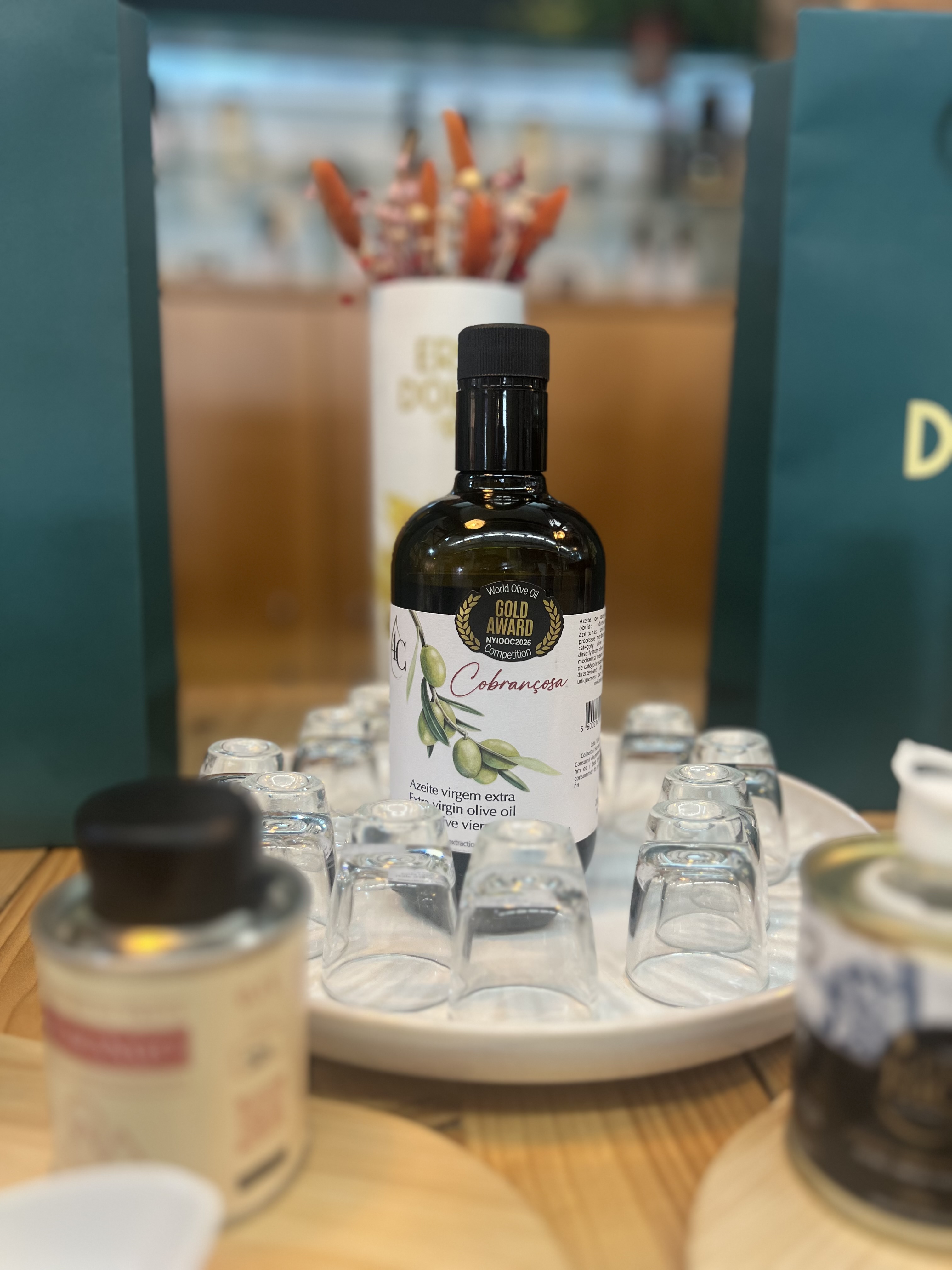
Which extra virgin olive oil (EVOO) is best used when?
Different oils serve different purposes, but these rules of thumb offer a general guideline:
-
Delicate, mild EVOOs complement fish, seafood, fresh cheeses, and light vegetables without overpowering them.
-
Medium-intensity EVOOs are versatile all-rounders for everyday cooking, pasta, salads, grains and roasted vegetables.
-
Robust, peppery EVOOs complement grilled meats, mushrooms, tomato-based dishes, aged cheeses and pair beautifully with deserts.
Ultimately, the best pairing depends on a chef's palate, creativity and the
experience he or she wants to create. The best advice? Taste, experiment and play. Just as with different wines, herbs or spices, olive oil offers endless possibilities.
About Joana Lourenço
Joana Lourenço stems from a family of olive oil makers. In 2019, she established her company – Erva D’Ouro – with the goal of representing and supporting local Portuguese producers. With two stores in Lisbon, now Erva D’Ouro is a renowned gourmet-store and tasting room, and specialized in premium-quality Portuguese olive oil.
Through guided tastings, workshops and tailor-made experiences, Joana helps both professionals and consumers discover olive oil beyond its role as an ingredient. Erva D'Ouro also provides consultancy for restaurants, retailers and brands.