The snack platter has quickly evolved from a light bite to a full-fledged meal. Whereas it used to be all about laying out a few slices of cheese and some sausage or bitterballen, the snack hour is now becoming an accessible alternative to dinner. This “snacking is the new dining” trend is putting pressure on the average spend per guest, but it also presents opportunities. Food Inspiration lists tips for a smart and trendy snack menu
In March 2026, Dutch research firm Motivaction published a report showing that consumers are increasingly replacing their pre-dinner drinks with an evening meal, both at home and in restaurants. “It has become a full-fledged dining format,” says researcher Ruurd Hielkema.
This shift has implications for the hospitality industry. Not only is what guests order changing, but more importantly, how much they order. And that puts pressure on a key metric: average spending per guest. The challenge, therefore, is to feature appealing appetizers on the menu that encourage more orders and higher spending.
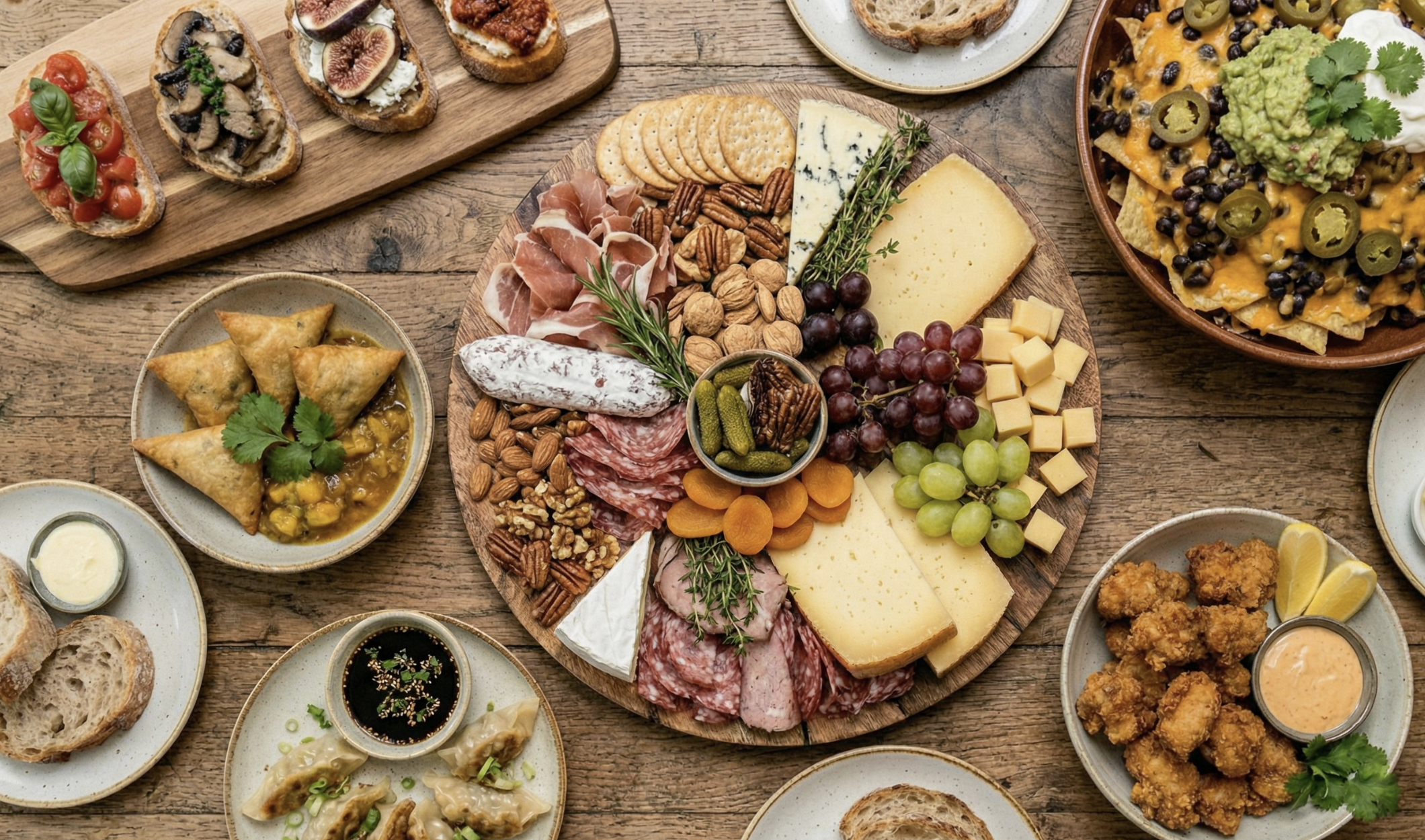
Products such as cheese, nuts, bread with dips, and charcuterie continue to form the basis of the snack moment, according to Motivacation. These cold appetizers are often sold in the hospitality industry on a snack platter, but are also offered separately as “a selection of cheeses” or a “charcuterie platter.”
More orders per table
Traditional menus are often structured around a fixed revenue model featuring appetizers, main courses, and desserts. When bar snacks replace the evening meal, things work differently. While snacks do have a relatively low food cost and require minimal preparation, serving just a plate of bitterballen and a serving of fries won’t help you, as a business owner, achieve the desired revenue per table.
Successful concepts therefore aim for multiple ordering moments per seat, with guests ordering various small dishes throughout their visit. This creates a more stable and higher revenue per table. Additionally, focusing on beverage sales is essential, as beverages make a significant contribution to the margin during the happy hour.
5 tips for a smart snack menu
1. Use price psychology on your menu
The first item on the menu sets the tone. So, when it comes to snack bites, don’t put your cheapest item at the top of the list; instead, place an item with a higher margin at the top. The mere exposure effect – familiarity breeds affection – also ensures that guests will choose familiar favorites anyway. That means, for example, that fries don’t necessarily have to be at the top.
2. Be strategic with menu design and attention
Guests scan your menu for an average of 1.5 minutes. Use that limited attention wisely: work with frames, subtle color accents, and typography to guide the eye. Feature profitable dishes in a larger or bold font and give them visual emphasis, while less important items remain more subtle. Icons also help steer choices and reduce uncertainty.
3. Design a logical snack flow in rounds
Turn snacking into a structured dining experience rather than a series of random choices. Start with cold, quick bites (such as oysters, olives, charcuterie, and a bowl of almonds), followed by warm and more filling snacks. By guiding this sequence in your menu and in service, you create a natural progression that encourages additional orders.
4. List prices per person
List prices per person for a sharing platter for two, so it appears more affordable.
5. Use drinks and combo deals as strategic revenue driversActively pair snacks with complementary beverages, such as signature cocktails or non-alcoholic pairings. In addition to individual items, offer “snack tastings” or “chef’s selections” to increase the average spend per table.
Health takes a back seat
Health plays a secondary role during apperitivo or cocktail hour, according to research by Motivaction. Consumers are consciously choosing indulgence: two-thirds believe that a traditional happy hour platter can be unhealthy, as long as the taste and presentation are right. Due to inflation, guests want value for their money, as the international Bidfood Food & Drink 2026 study also shows.
Chicken, gyoza, and pretzels
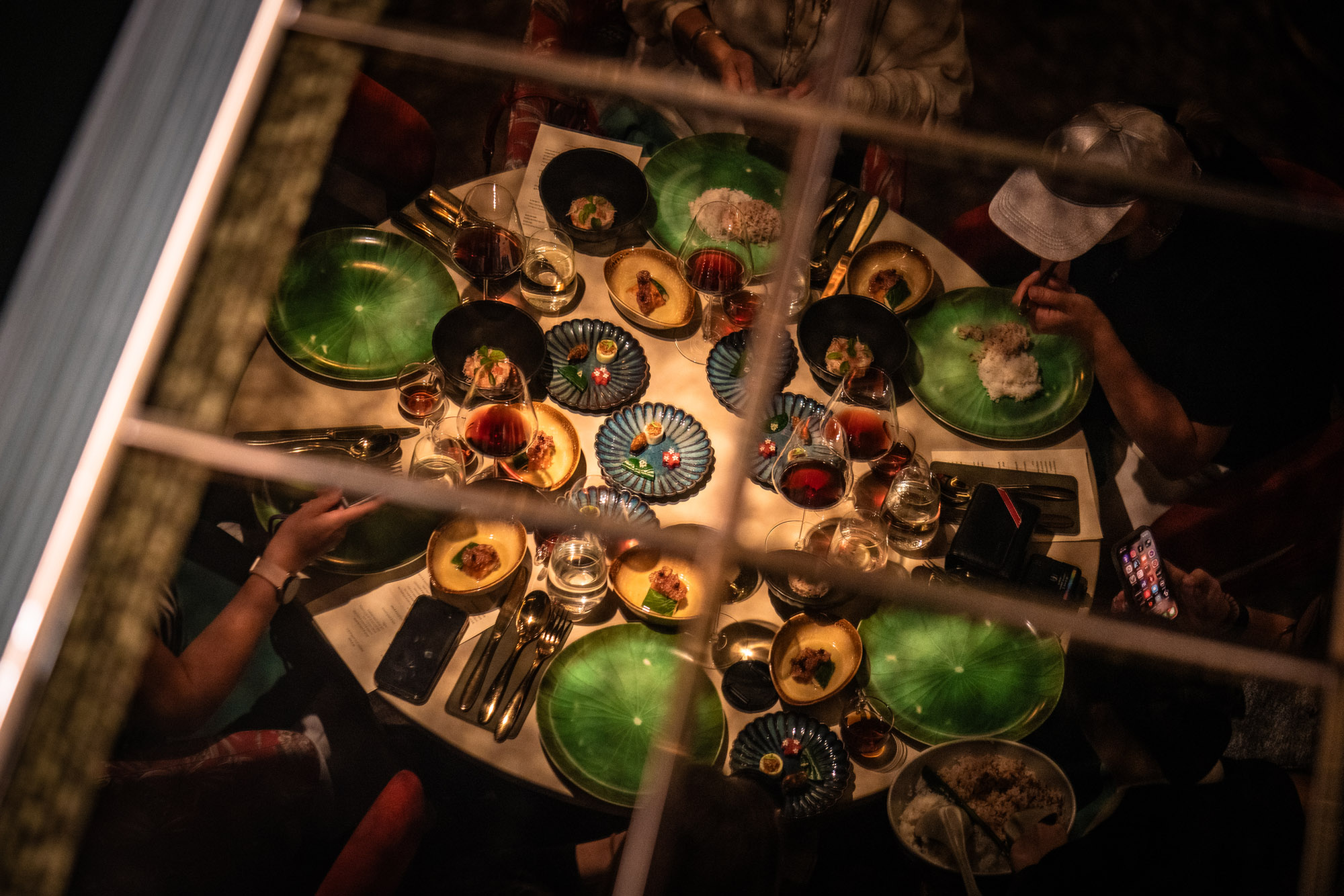
Dutch serial entrepreneur Wes Schreutelkamp from the Feast Family, which operates succesful concepts like The Streetfood Club, Rum Club en Carmel Market, reports that chicken snacks are the most popular items on the snack menu at their dining concepts. “We turn a simple piece of chicken into an eye-catching snack with a unique presentation. Think of serving it on a banana leaf with a complementary garnish, and you’re offering a complete dish.” “Gyoza are becoming increasingly popular. This snack is quick to prepare and requires little extra effort.”
The all-day brunch concept Teds is also responding to the changing snack culture. Their new summer menu features three categories of “snacks”: sweet, savory, and fried. “Not just a bitterbal, but more variety. We looked into charcuterie or bread boards, but we didn’t think that was distinctive enough. That’s why we’re serving pretzels with toppings, for example. We have high hopes for that,” says co-founder Michiel Huisman.
Lees ook
“We lack an aperitif culture, but I expect the 4-to-7-hour time slot to finally take off this year”
Tips for a trendy snack menu
-
Focus on origin and quality: local cheeses, artisanal charcuterie, and bread from the local sourdough bakery.
-
Complement the staples of nuts, cheese, and sausage with trendy bar snacks. The influence of Asian cuisines on the Dutch snack selection is strong. Bao buns, gyoza, dumplings, sushi variations, and Korean fried chicken are gaining ground on snack menus throughout the Netherlands.
-
The five trendiest cuisines of the moment are: Japanese, Korean, Mexican, French, and Italian. So you’re seeing dishes from these cuisines on snack menus more and more often. From Korean (Korean fried chicken wings) and Italian (bruschetta) to Mexican (loaded nachos).
-
Since the snack platter is becoming a new dining format, breakfast and brunch platters are also worth considering as part of the menu.
-
Pay attention to presentation. The range of “fun food” has grown enormously in recent years, with an emphasis on color, texture, and experience. A stylish snack moment lends itself perfectly to this. The snack platter is a favorite item: first something to show off on social media, and only then to consume.