“Turning strangers into friends” – if you ask me, that’s the most succinct definition of hospitality. And it starts with a warm welcome, a smile, and making an emotional connection. That’s exactly where the difference between a visit and a memory lies. Body language conveys the message: I’ve seen you, I appreciate you. But do we still master that art in the hospitality industry in 2026?
Creating hospitality has been both my passion and my profession for over 25 years. Through my experience in various restaurants and hospitality businesses, I’ve had the privilege of offering many guests a pleasant and memorable experience. For me, it all starts with a warm, sincere welcome – that moment when someone immediately feels welcome and at ease, as if they’ve come home. Being able to create that exact feeling gives me immense satisfaction.
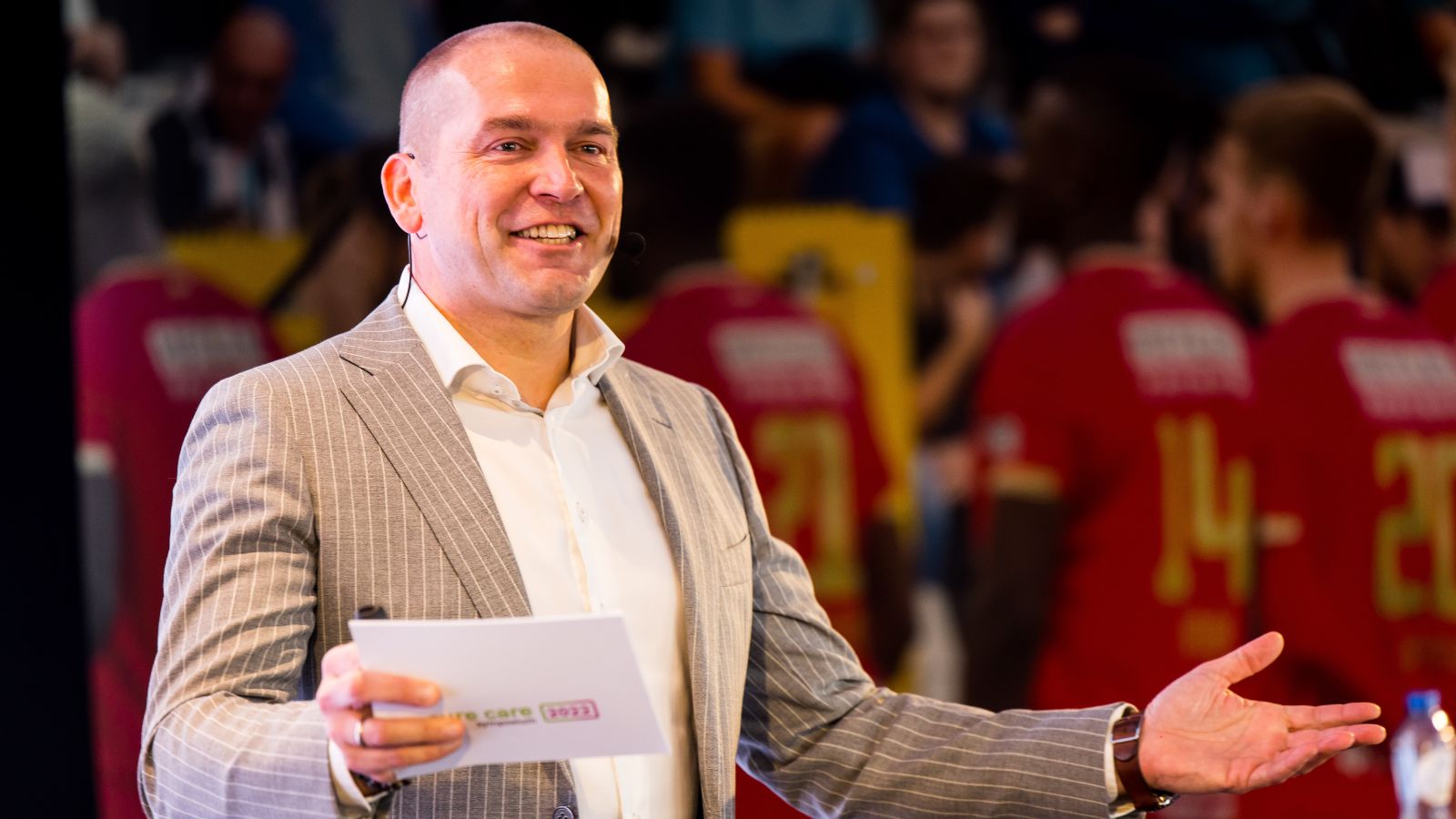
Christophe Maes is the content director for the Belgian market at Food Inspirations and a respected trend watcher, expert guide, and presenter. He has over 25 years of experience in the hospitality and foodservice industries. For Food Inspiration, he regularly writes about service and hospitality.
Thai hospitality: Kreng jai and Sanu
I’d like to share a memorable experience from a recent family vacation to Phuket, Thailand, where we stayed at Diamond Resort, a fantastic project by two Belgian entrepreneurs, Rudy Maes and Johan D’Hondt, and their Thai partner, Phirchawees Boonyassatiean.
Hospitality is, of course, an essential part of any tourist experience, but in Thai culture, this concept takes on exceptional significance. Thailand is known as the “Land of Smiles,” and that title is anything but superficial. A smile there is not a gimmick or a marketing tool, but a reflection of deeply rooted cultural values.
Respect, kindness, and harmony are central to the daily lives of the Thai people. These values translate directly into the way guests are welcomed here. In Thai society, the concept of kreng jai plays an important role. It is a fundamental Thai cultural concept that signifies extreme respect and reverence for others: literally translated as “a fearful heart” for being a burden to someone.
“Thai hospitality is all about seeing and anticipating guests’ needs”
It means suppressing your own needs to maintain harmony, avoid discomfort, or not burden others. So you not only take others’ feelings into account, but you also avoid conflict. This gives rise to a natural form of hospitality that feels extremely thoughtful. For many Thais, this is not a learned skill, but a deeply rooted cultural instinct. It is something they grow up with from a young age and is ingrained in their upbringing.
In addition, there is the concept of sanuk. It is a philosophy of life focused on bringing joy, satisfaction, and positivity into daily life and social interactions. This ensures that service never becomes mechanical or predictable, but always remains warm and lively. As a result, guests feel at ease more quickly. Interactions become more personal and less formal. This phenomenon contributes to a relaxed and pleasant atmosphere at the resort.
Focus on empathy
Back to the vacation. The training provided to employees at the Thai resort where I stayed with my family builds on these cultural foundations. New employees receive training that centers on politeness, respect, and body language. The use of the traditional “wai” greeting is carefully taught, but attention is also paid to overall demeanor. Voice and language use are refined to convey respect in everything they do. So it goes far beyond that initial warm smile and making eye contact.
In addition, there is a strong focus on developing empathy. Employees learn to anticipate guests’ needs without them having to explicitly ask for anything. Proactivity is a core competency within Thai hospitality: “seeing and anticipating.” The goal is not only to meet expectations but to exceed them.
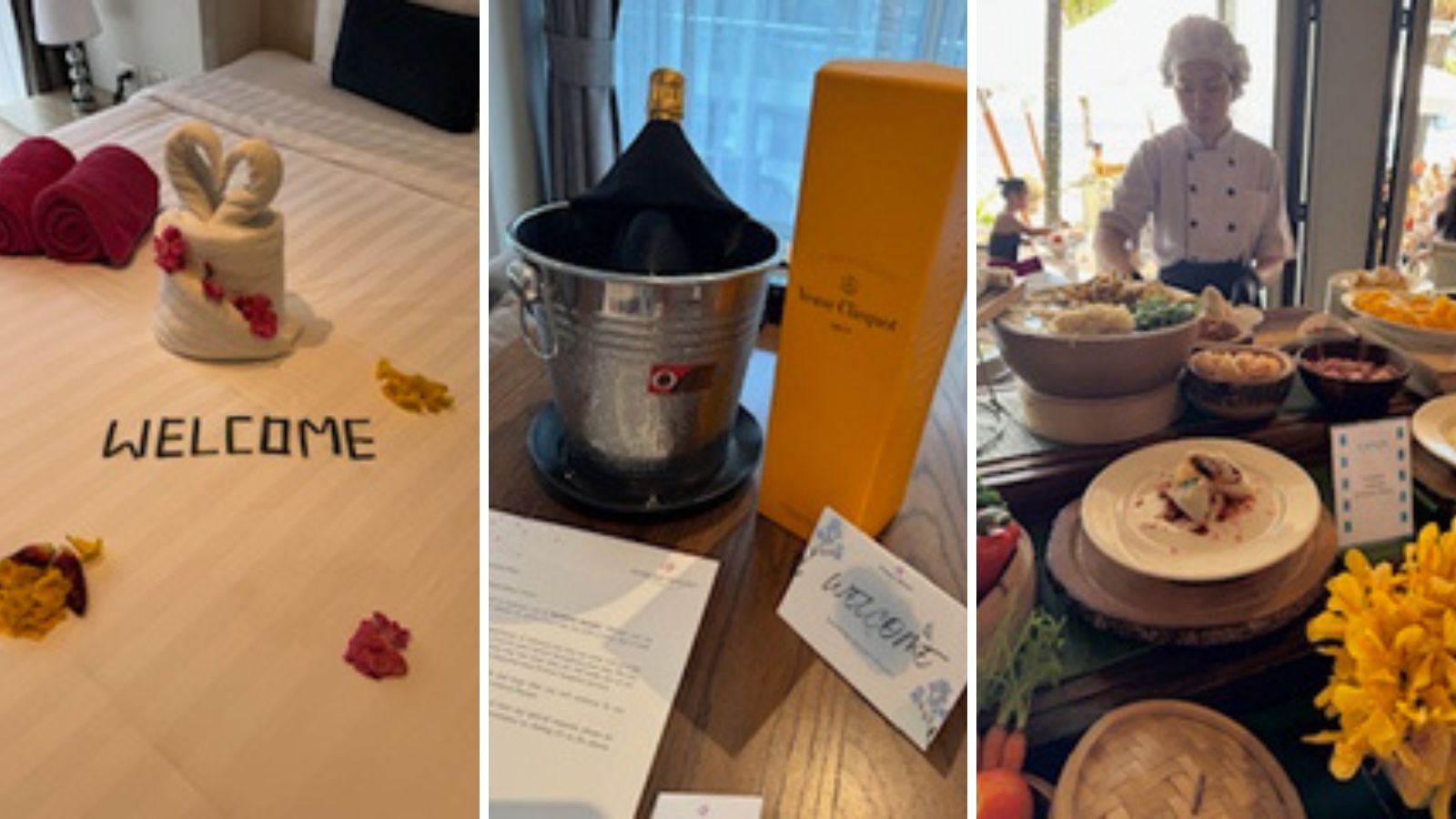
At Diamond Resort, this translates into a highly personalized service experience. Guests are addressed by name as a matter of course. Preferences are remembered and applied in subsequent interactions. Small gestures, such as a welcome drink or a handwritten note, reinforce the sense of appreciation. These details create a meaningful and emotional connection with the guest. The impact of this should not be underestimated: guests do not feel like a number here, but like a valued visitor. They feel at home. This increases overall satisfaction and loyalty and is one of the main reasons guests return.
“In a world where luxury is becoming increasingly accessible, genuine hospitality remains a rare asset”
Attention as the ultimate form of luxury
The memory of a warm welcome and gracious hospitality often lingers longer than that of the resort’s physical luxuries. This demonstrates that human interaction is a crucial factor. Hospitality in Thailand goes beyond good service: it’s about an experience on a deeper level that touches the emotions. In this way, it helps create lasting memories.
In a world where luxury is becoming increasingly accessible, genuine hospitality remains a rare asset. For resort managers – both far away and close by – this offers valuable insights and opportunities:
-
Investing in culture-driven training pays off in the long run. It is not enough to simply teach new employees the correct procedures. The right mindset and a proactive attitude are, if anything, even more important.
-
Authenticity cannot be forced, but it can be encouraged. Managers play a key role in conveying and upholding hospitality. They must set a good example in their interactions with both guests and employees.
-
A positive work culture translates directly into better service: satisfied employees ensure satisfied guests. This creates a sustainable cycle of quality and experience.
-
Thai hospitality is distinguished by sincerity, attentiveness, and emotional intelligence. Resorts that embrace these values create unique and memorable experiences.
About Christophe Maes
Christophe Maes is Food Inspirations’ content director for the Belgian market and a respected trend watcher, expert guide, and presenter. Maes is the very embodiment of hospitality and an expert in the Belgian hospitality and foodservice industry. He built an impressive career in haute cuisine, working at Michelin-starred restaurants such as Hof Van Cleve (Kruishoutem), Comme Chez Soi (Brussels), and Pierre Gagnaire (Paris), where he served as maître d’hôtel, sommelier, and chef. He then made the transition to Belgocatering, where he worked as purchasing director for 15 years.
Since 2015, he has run his own company, Maes & More, through which he develops and oversees hospitality projects. He is also the owner of Foodservice Network Belgium, the initiator of the CEO Food & Hospitality Summit, and the driving force behind Cure Care Network.