In 2015, Sanne and Michiel Huisman opened their first location of the all-day brunch concept Teds in Amsterdam. They now have 16 locations in the Netherlands, and their goal is to expand to 20 this year. At the same time, the entrepreneurs are looking ahead: franchising and international expansion are on the horizon. A conversation with Michiel Huisman about ambitions, entrepreneurial lessons, and building a distinctive restaurant concept.
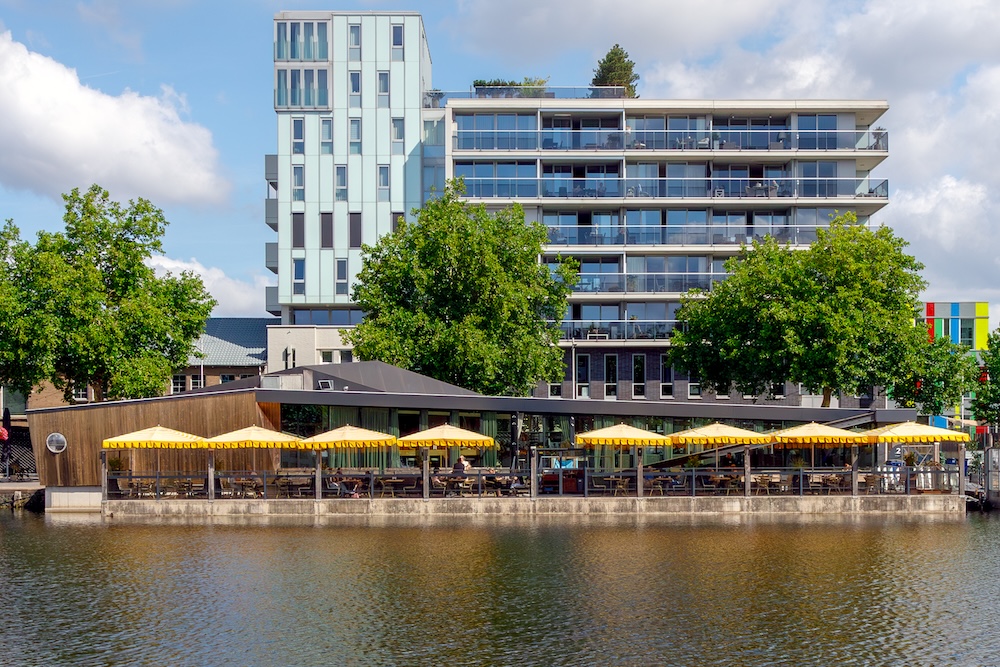
I meet Michiel at Teds’ labyrinthine building, located at one of the picturesque city canals in Utrecht. After Amsterdam-West, this was the second location the couple opened. “We found this place and immediately thought: brilliant. It’s a fully listed historic building, with all the complexity that entails. A unique space, full of little hallways, nooks and crannies.” The waiting staff must have strong leg muscles: they’re running up and down the stairs all day long. “When it’s busy, it’s a real madhouse in here. By the end of this year, we’ll have been here for ten years – and we never want to leave.”
How did the idea for Teds come about?
“Teds is my wife Sanne’s brainchild,” Huisman begins. “She worked in the restaurant scene for a long time, working late shifts. Next day, whenever she wanted to go out to have something to eat at 11 a.m., she could never get what she was in the mood for. It was too late for the breakfast menu, and the lunch menu wasn’t available yet. And if she just wanted to order a serving of fries, she was told she couldn’t. Her frustration was that all restaurants were focused on the evening and no one cared for the daytime.”
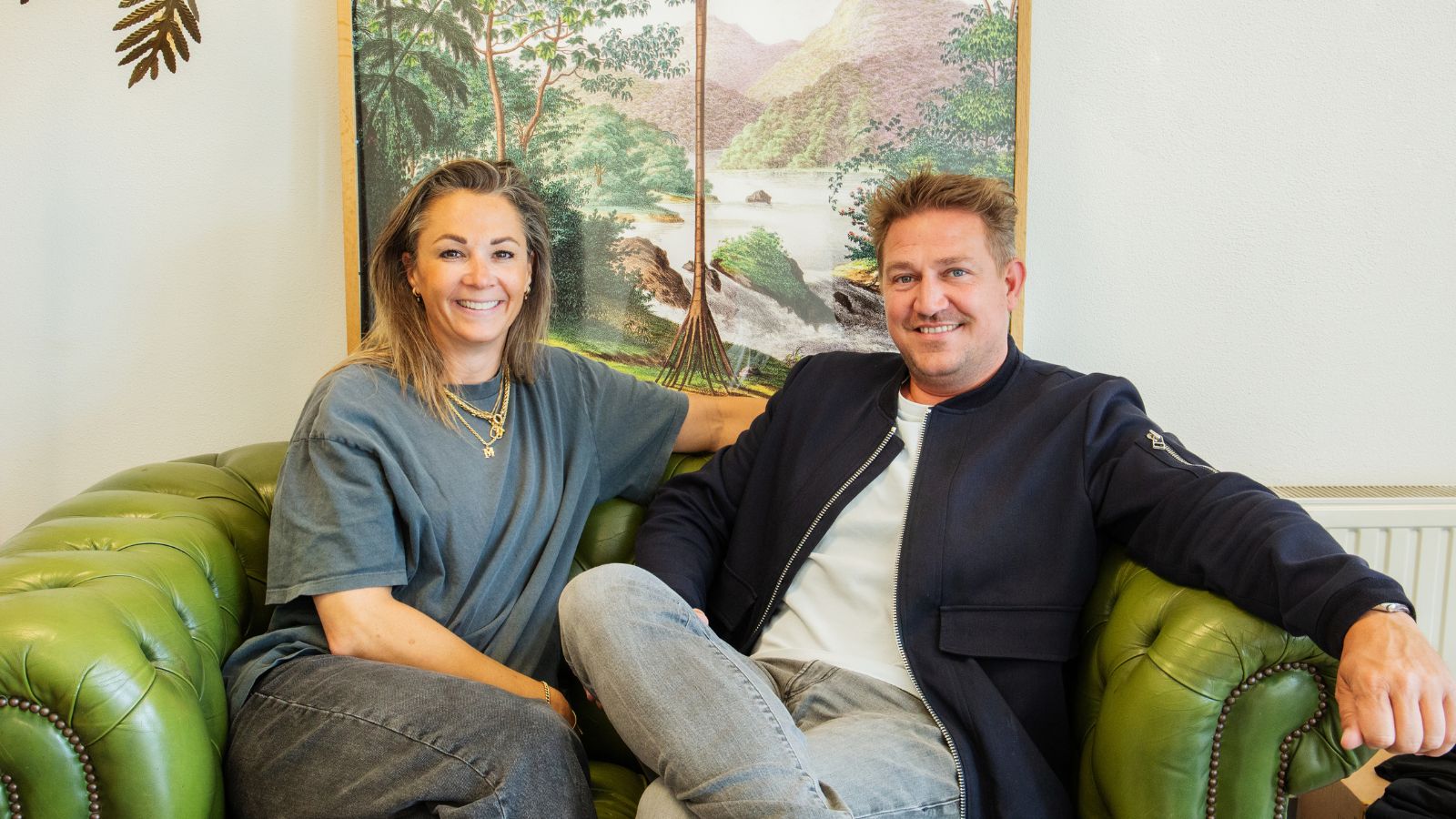
“That frustration turned into an entrepreneurial dream. Internationally, Sanne saw that overseas all-day brunch was an emerging trend, but in the Netherlands, no one had heard of it yet. Sanne said to me: I want to start my own restaurant, but one that’s entirely focused on the daytime.”
The first location in Amsterdam was an instant hit. “At first, I thought: let’s see if people still like it after six months. It turned out they did. Then we started looking for a second city. Utrecht felt like a logical next step. At first, we were open from 7:00 a.m. to 7:00 p.m., but we quickly realized that the Netherlands – aside from grab-and-go – doesn’t have a strong culture of eating breakfast out. It still doesn’t, for that matter. That’s why we eventually shifted our opening hours to 8:00 or 9:00 a.m, depending on the location.”
Do people get the concept of all-day brunch?
“All-day” is a term that guests are increasingly coming to understand, Huisman says. “And we just want to be the best at it. The all-day concept is really starting to take hold now. More and more restaurants are now offering continuous menus. You can see that the traditional boundaries between breakfast, lunch, and dinner are blurring.”
“Last month, we released a brunch cookbook in honor of our 10th anniversary. I think that over the past ten years, Teds has succeeded in popularizing brunch culture in the Netherlands. We’ve really helped drive brunch forward, but in doing so, we’ve also pigeonholed ourselves. Many people still see brunch as something that happens between 11:00 a.m. and 2:00 p.m. That’s why we’re explicitly positioning ourselves as an all-day restaurant.”
Who is your target audience?
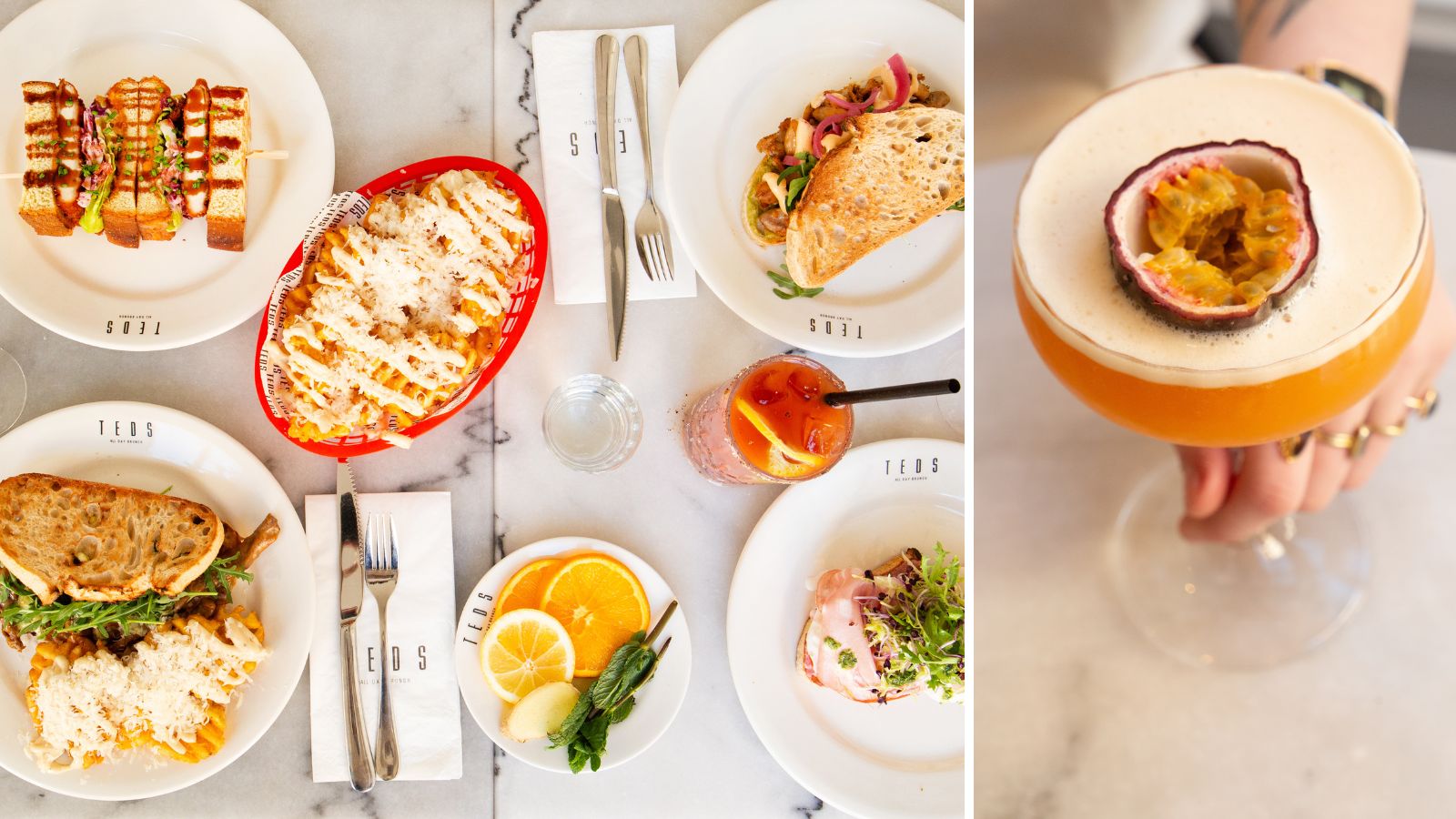
Teds targets a broad audience, but its positioning is deliberately very distinct. “Because we focus on daytime, we cater slightly more to women than to men. And we tend to appeal to a somewhat younger demographic. We try to surprise people with our dishes. Comfort food for a 55-year-old is more likely to be a slice of cake than what you get here: French toast or a donut with fried chicken and a drizzle of maple syrup.”
“We’re a bit less conventional than some of the other popular daytime chains. We want to create a weekend vibe at any time of day, any day of the week. The portions are generous: if you’re still hungry after eating here, then we’ve done something wrong.” That also translates to the experience. “We want people to really take their time. Sit back, have a drink – and if you feel like it, have another one. Step out of your daily routine for a moment, celebrate life!”
At most locations, a large portion of the clientele consists of regulars. Huisman admits that it’s sometimes harder to convey the concept to walk-ins. “In the beginning, people would ask for a grilled cheese sandwich or an omelet. But that’s not our concept. We don’t even have a toaster. Then you see people looking puzzled: ‘What on earth is this?’” Still, eating habits are changing fast. “Ten years ago, I had to explain what French toast was – not to mention the concept of ‘all-day brunch.’ Now, guests can’t imagine a time when they didn’t know about it.”
Being a Dutch chain, Teds deliberately chooses English as its primary language. “The Dutch hospitality industry has grown more international, including our staff. And to be honest: I think it just sounds more delicious. We do have a Dutch menu for those guests that appreciate it, but English fits better with the brand’s vibe. Plus: Everyone speaks English, and not everyone speaks Dutch. Simple.”
Trends & hypes
On April 1, Teds switched to its summer menu. Huisman describes a number of current trends that are incorporated into their latest menu:
-
“We lack an aperitif culture in the Netherlands. But I really expect the 4-to-7-hour slot to take off this year. I believe that will be the big new consumption moment in the hospitality industry. With the new summer menu, we’re explicitly capitalizing on that.”
-
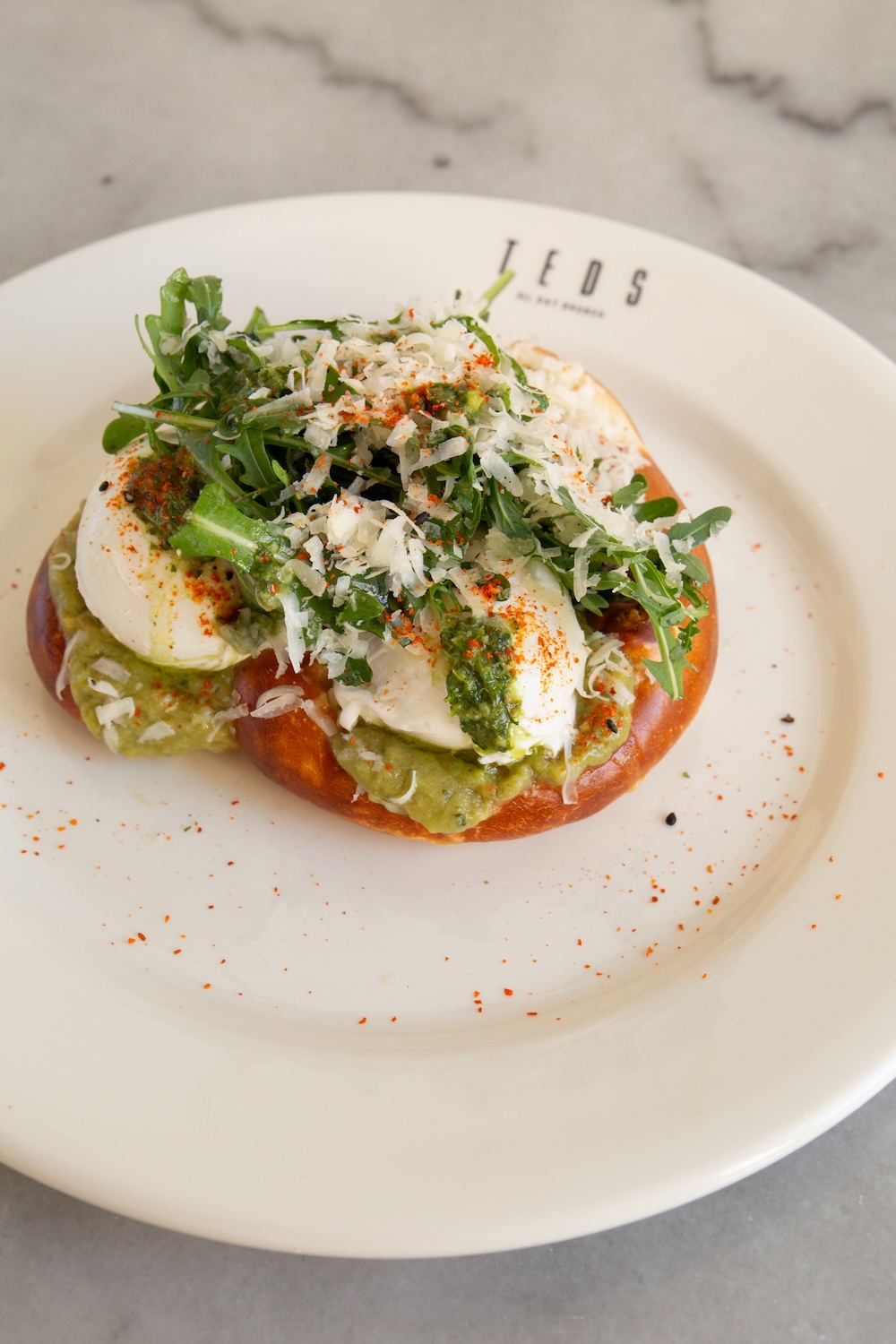
“To cater to the afternoon crowd, we’re offering three categories of ‘snacks’: sweet, savory, and fried. Not just a bitterbal, but more variety. We looked into charcuterie or bread boards, but we didn’t find those distinctive enough. That’s why we’re serving pretzels with toppings, for example. We have high hopes for that.”
-
“Eating out has become much more expensive in recent years. Especially grabbing a quick main course at a restaurant is really overpriced these days. I think we’re moving more toward ‘extended cocktail hour’ accompanied with small bites. Just like with brunch: a table full of snacks, a bottle of wine on the side – and in the end, you’ve eaten enough to satisfy your appetite.”
-
“The whole idea of three fixed mealtimes is disappearing. With trends like intermittent fasting and the rise of weight-loss medication, you see that people are listening more to their bodies and their hunger cues. They eat when it suits them. That’s why we believe everything should always be available to order. If you want yogurt with granola at 7:00 p.m., that’s fine.”
-
Younger generations are more conscious of what they eat and pay more attention to health. Still, Huisman doesn’t see that as a threat. “Fast casual is still the largest and fastest-growing segment in the hospitality industry. I recognize that people want to live healthier lives. But I actually see a strong work-hard-play-hard mentality in the hospitality industry. People are more conscious at home and in their daily routines – with exercise and nutrition, which they can control themselves. But when they go out to eat, they choose to go all out.
-
Of course, we do offer a salad or soup and good non-alcoholic alternatives for those who want to take it a bit easier. That’s perfectly fine with us. But we don’t serve ultra-healthy dishes. We focus on experience and enjoyment; for me, healthy falls more into the realm of functional eating. That’s not why you go to Teds.”
-
“We also don’t want to be patronizing. We’re not going to tell people what to eat. We do, however, keep an eye on the trends. Our menu is focused on inclusivity. We want to offer something for everyone. We actually consider that a matter of principle. We always have good vegetarian dishes on the menu, always vegan options, and also good gluten-free dishes. In addition, we serve halal dishes.”
What specs does a Teds location need to meet?
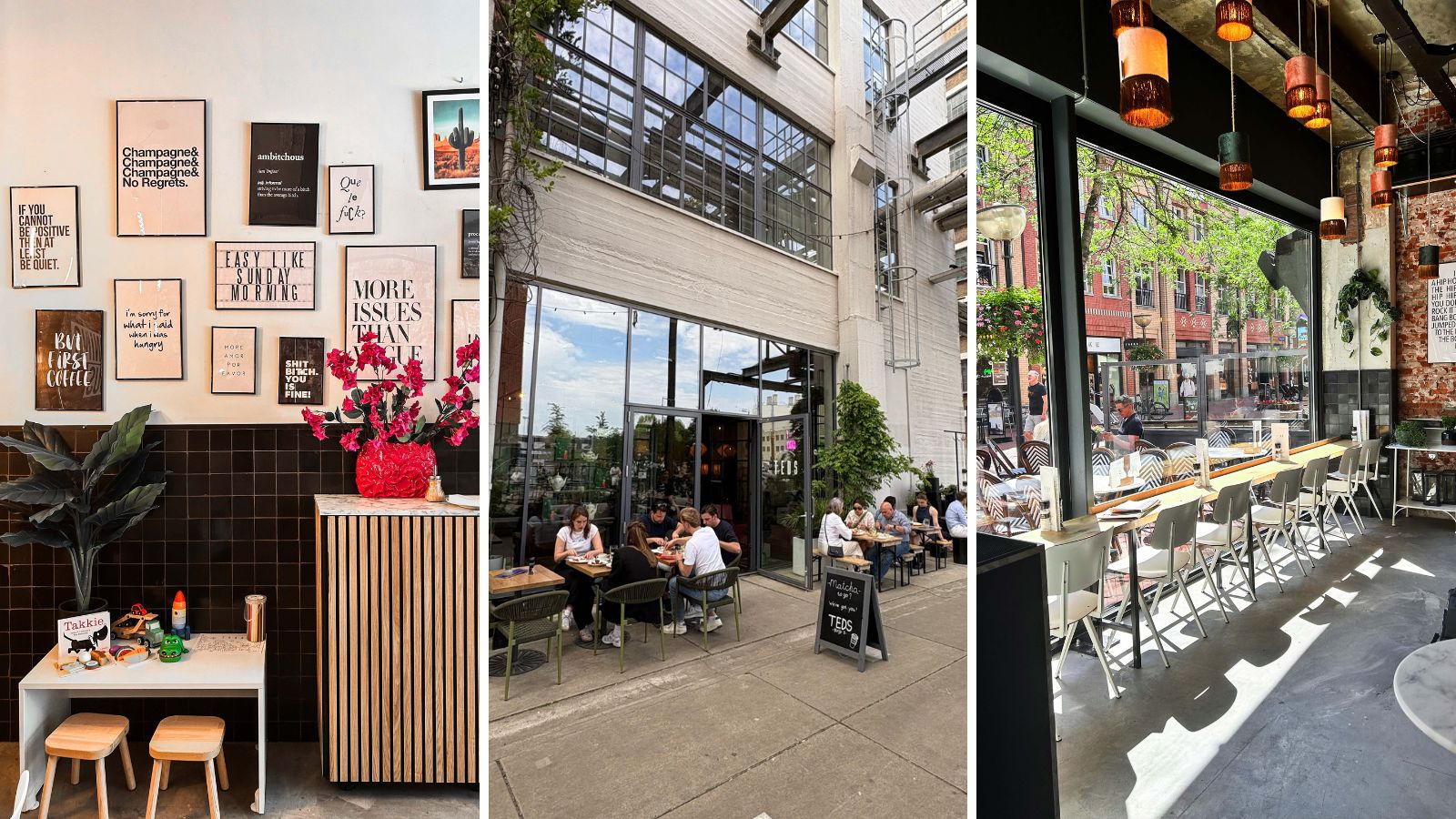
With 16 locations across the Netherlands, Teds can now be considered a chain. “In some areas, we have to standardize, but for us, every location needs to have something unique. We’re not interested in a cookie-cutter unit in a busy shopping street.”
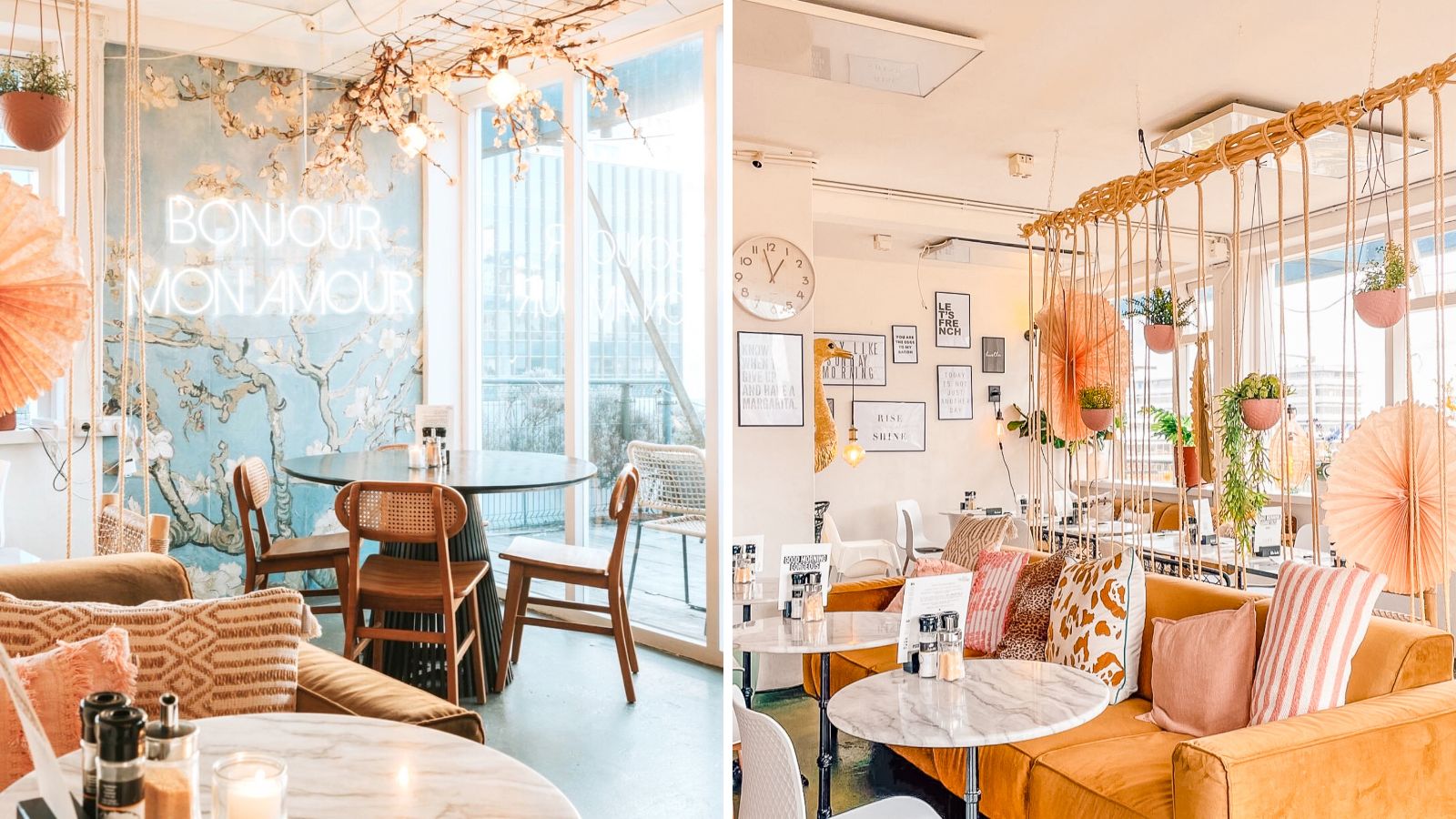
“It really bothers me when I walk into a place and see the same counter and the same interior items. Then you’re not paying attention to the soul of the building – you’re just focused on brand recognition. We think it’s essential that each of our locations has its own identity. We choose spaces where we can create our own signature.”
That sometimes leads to unconventional choices. “Our main benchmark is whether a place feels right. Just a stone’s throw from this location, we have our second Utrecht site. Aside from the fact that it’s a beautiful building, we simply loved the atmosphere of the square where it’s located. It’s not the best location for a breakfast or lunch concept – people mainly come there later in the day and for the terrace – but we fell in love with it instantly.”
“We don’t necessarily need to be in a triple-A location. Sometimes we have chosen locations where people warned us: that’s a huge risk. But we’re willing to take that risk. It’s actually become part of what sets us apart: guests know they’ll always find Teds in unique locations.”
The interior, style choices, and atmosphere at Teds are also distinctive. “It’s always a bit messy in a good way. It’s busy, there are lots of people, the music is slightly louder, the playlist is upbeat. Teds is built entirely around what we personally like. We’ve also managed to translate that into a tone of voice in how we interact with guests – and we train our team to embody that. As long as we can keep scaling that unique Teds signature, we’re on the right track.”
How did you grow?
Teds’ growth ran parallel to the growth of the Huisman family. “When Sanne started Teds in 2015, we had just gotten married. At the end of 2016, we opened our second location. That summer, our first child was born. We had packed terraces at work and diapers and sleepless nights at home. That’s when you really learn both the challenges and the charm of being an entrepreneurial family.”
A year later came baby number two – and location number three. “In three years, we opened three locations in three different cities, had two kids, and ran other businesses at the same time. You quickly learn what works and what doesn’t.” After a period of rapid growth, they deliberately slowed down. “In 2019, we wanted to ease off the gas. But six months later, we came across a great location in Haarlem and took the opportunity. That’s entrepreneurship.”
During the COVID period and the various lockdowns, the concept was put to the test. “We had four locations and were just figuring out how to organize everything operationally. Suddenly, we were dealing with completely different questions: is our brand strong enough? Is our concept suitable for takeout and delivery? Fortunately, the response to takeaway was amazing. We started delivering brunch boxes nationwide, and that was received really well. For us, that was an important sanity check – it showed that people trusted the brand and genuinely liked Teds.”
Notably, Teds actually grew significantly during that period. “We opened three new locations and came out of COVID with seven in total. That was the moment to make strategic decisions about our internal organization.” Since then, roles have been clearly defined: Sanne is the overall leader and responsible for creativity, while Michiel focuses on operations.
Is growth a goal?
“Yes, it is. As of the end of March 2026, we have 16 locations. This month alone, we opened two new ones and soon we will open our fourth location in Amsterdam. Sanne and I can walk through a city and immediately feel: a Teds would fit here. We believe there’s still huge potential for new locations. We strongly believe in our concept and the product we serve. Because we consciously choose our locations, guests consciously choose us. At the same time, we control the pace ourselves – we don’t have shareholders pushing us to grow.”
At Ted growth happens quite organically. “First, you focus on organizational growth, then on operational expansion. They’re communicating vessels. We’ve just come out of a phase where we spent two years building the organization. We developed and documented all of our processes in a service plan – how we interact with guests, how we train and onboard staff. Employees now have their own skills passport. We also introduced a transparent compensation structure, where pay increases automatically as you grow in your role. Now that the foundation is in place, we can accelerate again and focus on new locations.”
“I enjoy both the internal and external focus, but timing has to be right. Last year, we wanted to grow more than we ultimately did – we opened two locations instead of the four we had planned. Sometimes an opening or renovation takes more time, and you have to adjust your ambitions accordingly. You only have so much energy. You can stick rigidly to your growth plan, but that’s not always the smartest approach. We also looked at many locations last year where I felt: this isn’t quite it. That’s part of the process. This year, it’s the opposite – we’re in a phase where a lot of interesting locations are coming our way in a short period of time.”
For Huisman, 20 locations is a tipping point. “I’ve always said: once we go beyond 20 locations, we need to refocus on the organization before growing further. Because it’s not just a matter of multiplying what you’re already doing. It’s the sum of many small processes that become increasingly complex as you scale – from cash handling to receipt processing and centralized management across locations. Everything becomes more complicated.”
How do you maintain the Teds feeling across all locations?
Each location operates with a small leadership team, consisting of a general manager and several shift leaders. Above them are three regional managers, each overseeing four to five locations. “Those regional managers are part of my operational management team, where we handle overarching topics for the entire chain and review the performance of individual locations.” Each regional manager also has their own area of responsibility. “They have a dual role: operational support for their region, and a specialization. One focuses on HR, another manages all national facilities agreements, and a third oversees F&B. It works well.”
“I enjoy being hands-on operationally again in this growth phase. But I’m also looking forward to the next step: making myself redundant in day-to-day operations. That doesn’t quite fit our current structure yet, but I want to create room for it next year. That way, I can focus on the bigger picture and larger projects. It will likely mean bringing in someone else to take overall operational responsibility. You need one person who isn’t caught up in the daily running of locations. I think this is the right moment to start organizing that.”
What’s the next growth phase?
Will it be international expansion, new regions, or franchising? “You can get me excited about all three – I dream about all of them. I do expect that next year we’ll take our first steps toward franchising. So far, we’ve always grown organically. There were three reasons for that. First, I didn’t want to play the role of a police officer. Second, franchising requires a completely different ecosystem, with different processes and ways of working. And third, we weren’t yet convinced that the Teds concept was truly ‘finished.’ After everything we developed and formalized the last two years, I now believe we’re ready.”
“Our ambition is to keep growing the organization. Franchising can be an accelerator. It can enable faster expansion into other regions or neighboring countries. And as you grow, it also becomes easier to secure financing. In the next growth phase, we’ll reassess how to organize that growth. With franchisees, the financial model looks different than with company-owned locations. That’s where a franchise model adds real value.”
5 entrepreneurial lessons from 10 years in business
-
Embrace your mistakes: “If you don’t try things, you’ll never know if they’ll work. We’ve made some major mistakes along the way – and you have to embrace them. You can play it safe and make cautious choices, but then you’ll never know how far you could have gone. There have been locations and dishes we thought would be a hit – and they weren’t.”
-
Dare to choose: “You can’t please everyone, especially as you grow. We’re very outspoken in our concept and approach. That resonates with some people and not with others. You can’t make everyone happy.”
-
Define service on your own terms: “We’re truly an eat-in concept. Many Standard Operating Procedures today emphasize speed – getting a drink on the table within three minutes, for example. That’s possible, but it comes with trade-offs. We would need to simplify our drinks menu, install fully automated equipment, or add extra staff. Our service plan says something different. We focus on making guests feel seen and welcome. There’s no sense of rush with us. We first ask if guests would like water – so there’s already something on the table, and we have time to prepare their order. In the meantime, they can take their time deciding what to eat.”
-
Surround yourself with people who are smarter than you: “In many ways, I’m a micromanager. I like to be informed about everything. At the same time, people need to be able to work autonomously – otherwise you can’t grow. I can’t be there every day, so I had to learn to trust that people will execute our vision. That requires hiring people that are clever, intrinsically motivated and have a real connection to the brand.”
-
Invest in automation: “The bigger you get, the more important numbers become for staying in control. You need to understand your data and automate your processes properly. That takes time, but if you don’t have that in place and you push for growth, you can lose a lot of money very quickly.”