Artificial Intelligence and Human Intelligence are sometimes seen as opposites, especially in the hospitality industry, where everything revolves around guest service. However, technology can actually contribute to more personalized attention for guests. This was one of the key messages during Unfold. “Because hospitality is a people-driven industry, it is beneficial when repetitive tasks can be handled by technology. That allows people to continue making the real difference,” said Mews CEO Matt Welle. “Guests won’t remember your smart check-in system after their stay, but they will remember the friendliness of your staff. Thanks to that system, however, your team has more time to provide genuine attention to guests. That’s how we move from mechanical to magical hospitality.”
2. Hyper-personalization
Through digitalization, hospitality can be transformed into a highly personalized VIP experience. Technology can store and track guest preferences and information. Hoteliers can use this data intelligently by automatically checking in returning guests, displaying their names on the in-room television upon arrival, or suggesting their favorite wine in the restaurant. Guests feel special and recognized, while all relevant information is automatically stored within the hotel’s digital ecosystem. The hotelier only needs to add the final personal touch to create a true VIP experience.
3 technological innovations contributing to magical hospitality
-
AI can automatically adjust dynamic room rates. This saves employees significant time, as they no longer need to manually calculate and update rates across multiple booking platforms..
-
Many hotels already use AI assistants to answer frequently asked guest questions via phone or WhatsApp.
-
Booking a taxi can be frustrating for both hotel staff and guests. Sometimes no rides are available, waiting times are long, or passengers cannot pay by card. None of this enhances the guest experience, even though it is beyond the hotel’s control. To address this issue, Mews and Uber have partnered to allow hotel staff to book Uber rides directly through the Mews platform. Guests do not need to pay in the car; the ride cost is automatically added to the hotel bill.
3. Purpose-driven hotels
Hotels are not merely places to stay; they are spaces where guests feel at home and enjoy meaningful experiences. Few hotel brands have embraced this concept as successfully as The Social Hub, formerly known as The Student Hotel. Founded in 2003, the company now operates 21 hubs across eight countries. Students, digital nomads, business travelers, locals, and tourists can live, work, exercise, eat, drink, celebrate, and relax at The Social Hub. “When everyone enters through the same door and shares spaces to eat, drink, work, and socialize, connections naturally emerge,” said Charlie MacGregor, founder and CEO of The Social Hub. When asked why he puts so much effort into this vision, he replied: “Because as a company, you should want to contribute something meaningful to society.”
4. Sustainable hospitality
In recent years, sustainability has somewhat moved into the background across the hospitality sector. With tight margins, many entrepreneurs have prioritized profitability over investments in sustainable solutions. However, this does not mean the topic has become less important. Sustainability remains a key differentiator for hotels. During Unfold, this was reflected in the catering offerings, which included organizations such as De Verspillingsfabriek (soups made from rescued vegetables), De Zorgbakkerij (bakery products prepared by people with hearing impairments), and We Care Coffee (fully traceable coffee).
Hotels for Trees
One notable sustainability initiative is Hotels for Trees, a Dutch non-profit organization founded in 2021. The initiative converts skipped hotel room cleanings into newly planted trees. Participating hotels make a small contribution whenever a guest chooses to skip housekeeping for a day. This contribution is lower than the cost of a standard cleaning service. Hotels for Trees is now active in more than 250 hotels across 31 countries. Through the initiative, nearly one million trees have already been planted.
Over Mews
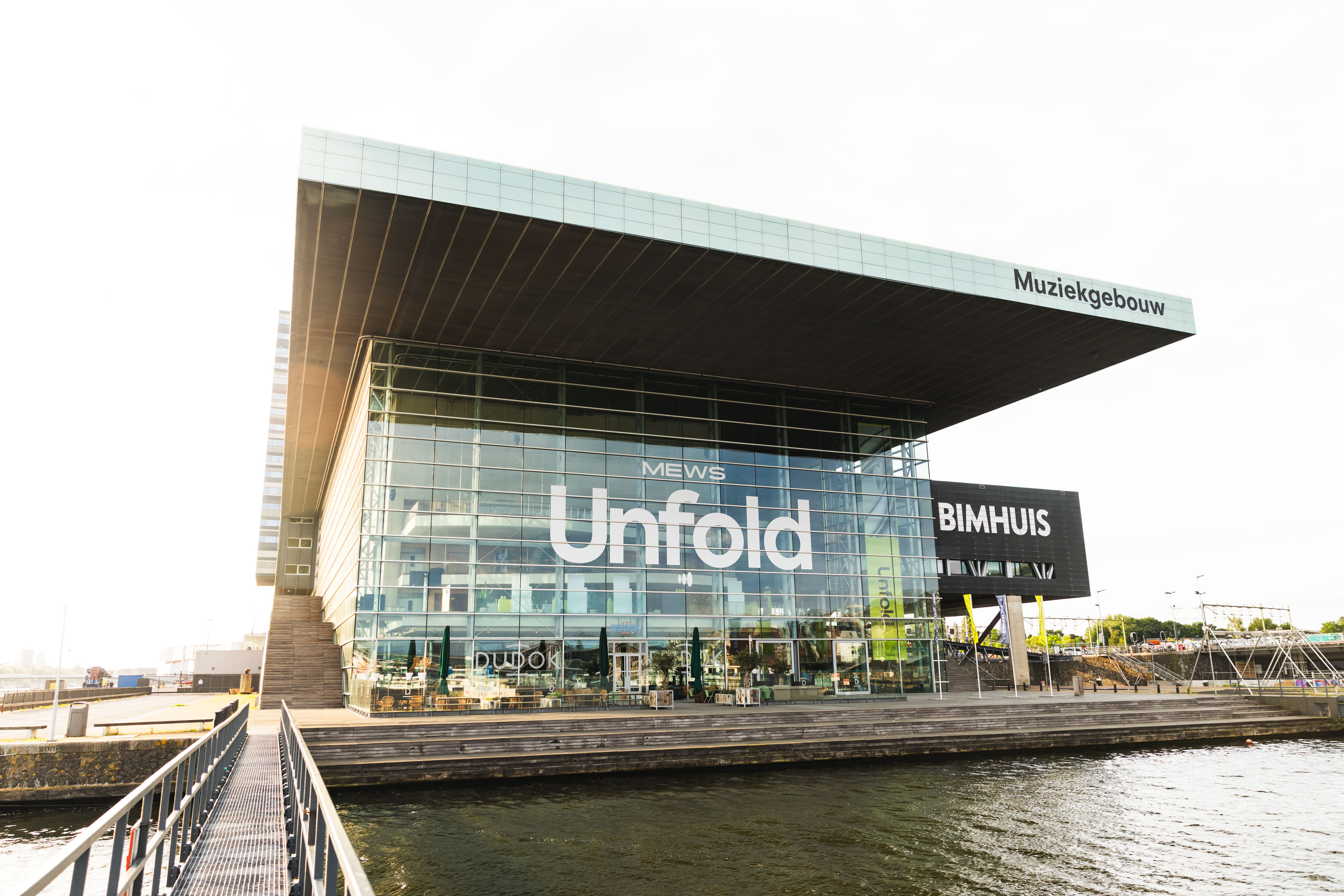
Founded in 2012 by Dutch and Czech entrepreneurs, Mews provides hospitality software for hotels. Revenue management, reservations, online check-ins, and payments are all handled through its platform. Mews operates in 85 countries, making it one of the fastest-growing companies in the global hospitality industry. Its annual live event, Unfold, was held for the seventh time in 2026 at Muziekgebouw aan ’t IJ in Amsterdam.
5. Growing dependence on major platforms
Technological innovations and digital platforms offer significant advantages for hoteliers and solve many operational challenges. At the same time, they increase dependence on large technology companies. For years, hoteliers have expressed concerns about the fees charged by Booking.com. Most recently, 10,000 hoteliers initiated legal proceedings against the company over alleged abuse of its dominant market position. Yet many entrepreneurs have limited alternatives. For some hotels, as much as 90% of reservations are generated through Booking.com.
Mews appears to be building a similar position within the hotel technology market. The platform now automates so many functions that some hoteliers can hardly operate without it. Developing an independent in-house system is often unrealistic, while failing to invest in technology can leave hotels at a competitive disadvantage.
This trend is not unique to hospitality. Across industries, the online world is increasingly controlled by major platforms. That is simply today’s reality.
Online popularity = offline popularity
One way for hotels to gain visibility outside the major booking platforms is through social media. Globally, 81% of Gen Z and Millennial travelers now visit destinations they first discovered online. Following the release of the Netflix series Emily in Paris, searches for hotels in Paris increased by 200%. Hotels that responded strategically promoted themselves on Instagram and TikTok with messages such as: “Want to feel like Emily in Paris?” By leveraging social media trends effectively, hotels can attract additional guests through online channels and reduce their dependence on traditional booking platforms.