The round table is set with starched white linen, a posy, and crystal glassware. I hear the name of the dish being mentioned, along with the recommended order in which to eat it. On the plate I see foam, something resembling shaved ice, and a mound of green “pearls.” All in all an exclusive experience as you might expect in a three-star restaurant. But this is different. Food Inspirations gastronomy editor Sheila Struyck immerses herself in culinary history.
The dish is projected from the ceiling onto the table. It’s mesmerizing. I see hands picking up the cutlery and taking the first bite, exactly as instructed. The attendant, dressed in an immaculate uniform, encourages us to take plenty of photos.
Together with my partner, I’m visiting the legendary elBulli restaurant in northeastern Spain, a 25-minute drive full of hairpin turns from the coastal town of Roses. Chef Ferran Adrià is without a doubt the man who changed the culinary world forever. Under the motto ‘create, don’t copy’, he introduced new techniques such as spherification, gelification, foaming and the use of liquid nitrogen. Ironically, his molecular gastronomy was soon embraced by chefs of all levels, including home cooks.
With three Michelin stars and six “best restaurant in the world” titles, elBulli was the place everyone wanted to dine at in the early 2000s. Despite this, the restaurant was losing half a million euros a year. In 2011, it closed its doors for good, much to the surprise of many.
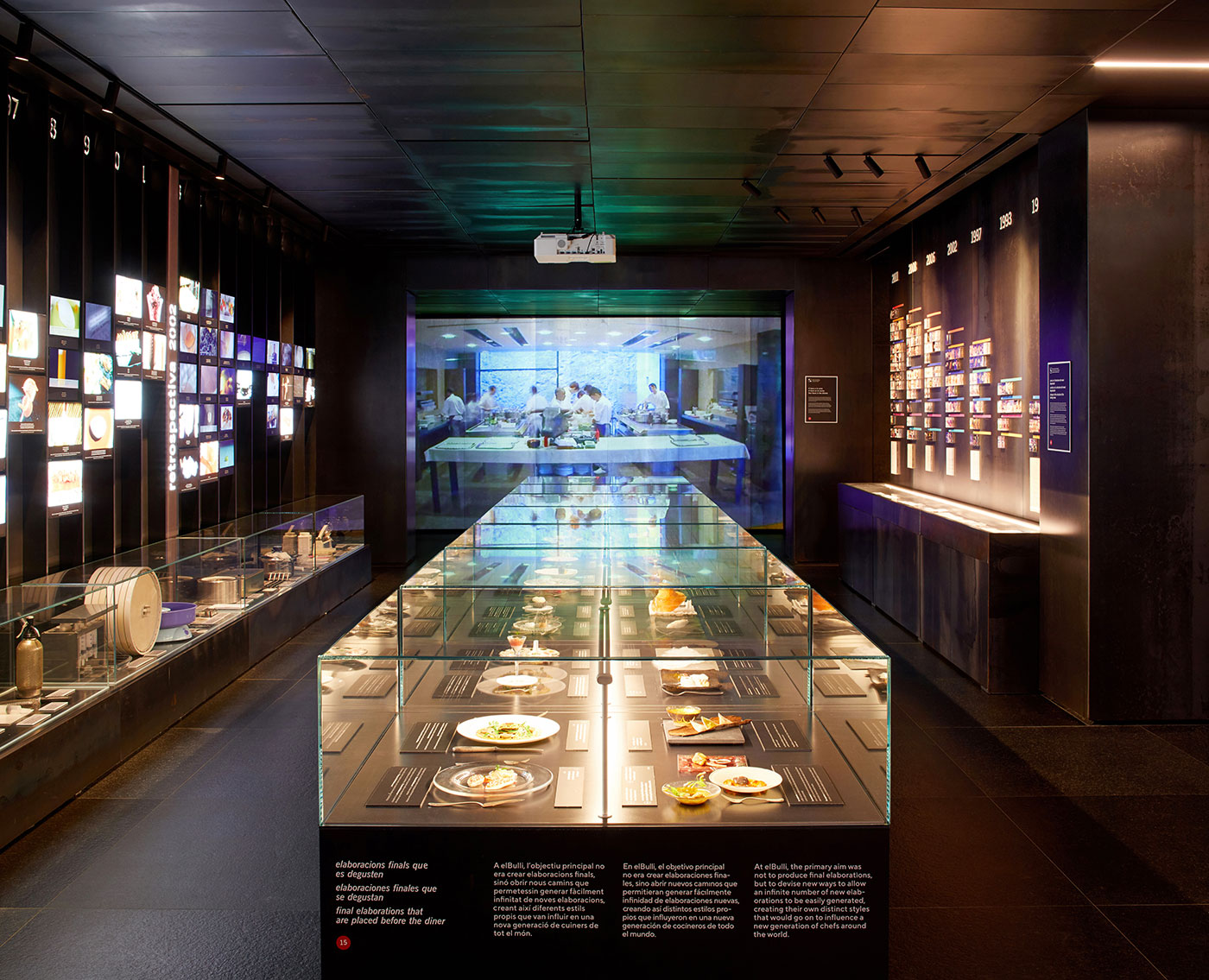
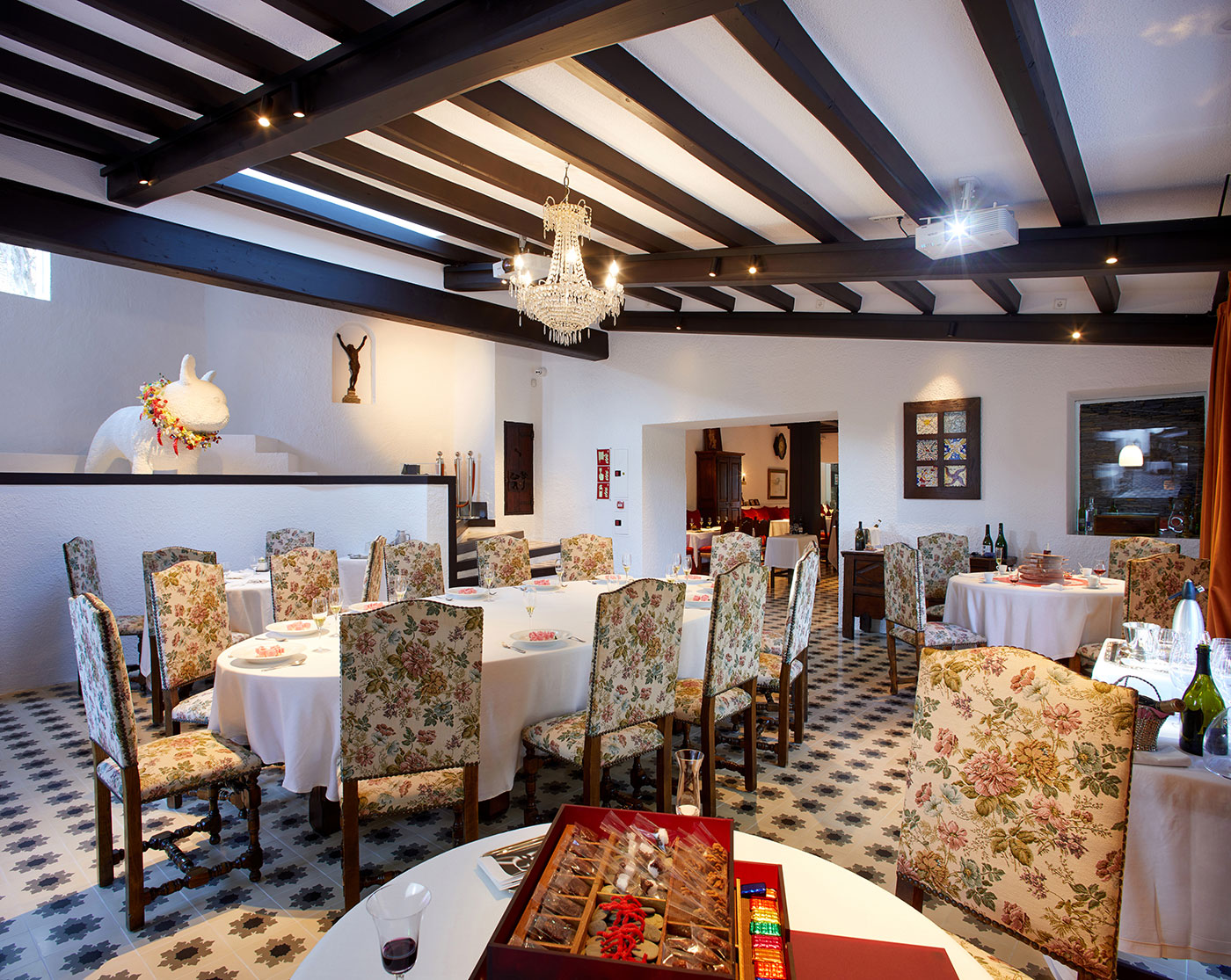
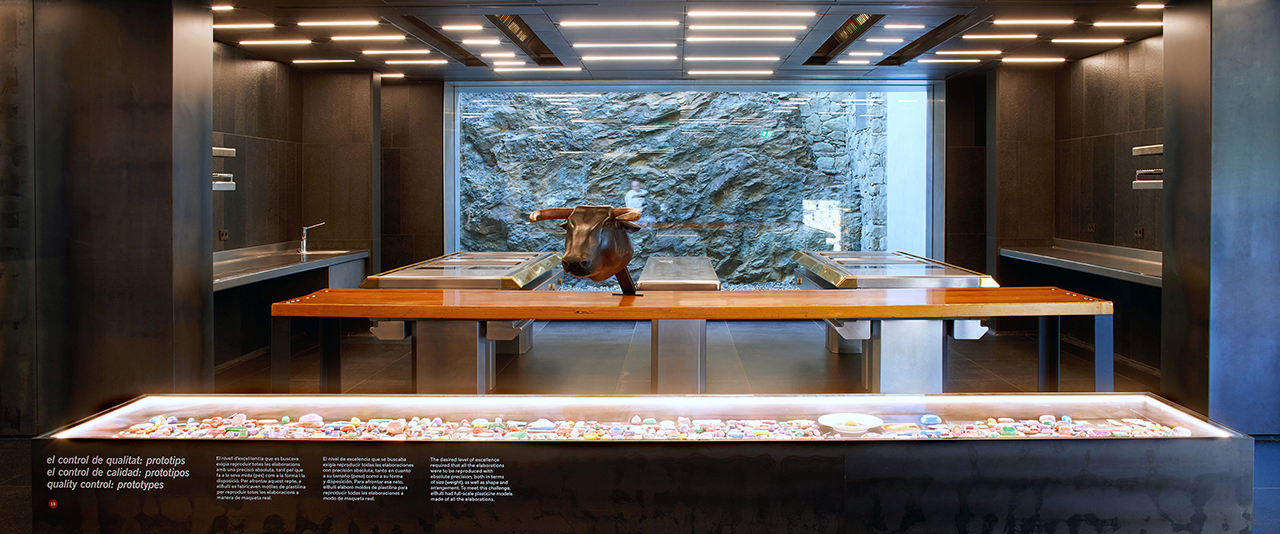
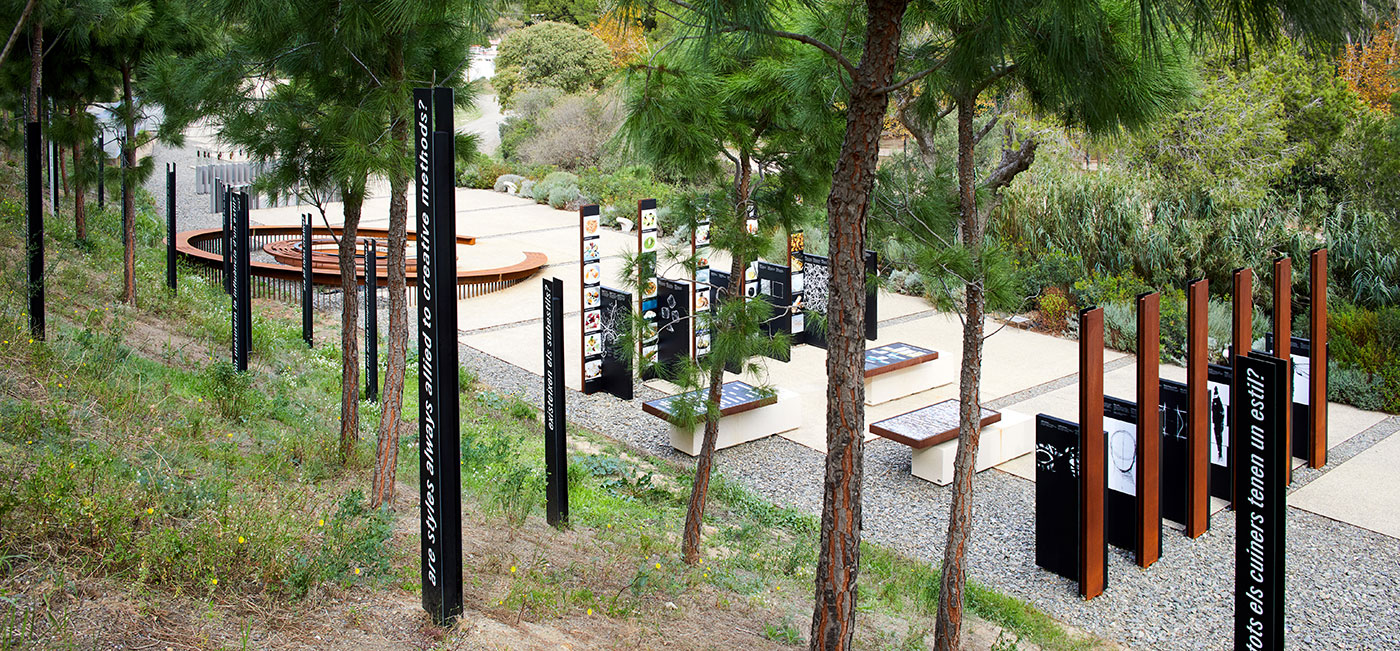
The historic building has since been converted into a museum. Upon arrival, you walk through an open-air exhibition featuring installations exploring existential questions such as “What is cooking?” and “When a monkey peels and eats a banana, is that cooking?” And then suddenly you find yourself in the old restaurant, exactly as it was.
“Each guest was allowed to make only one reservation per year”
The friendly attendant – it reads Lluis García Lacuesta on his nametag – explains that there were twenty-five people working in service front of house, forty in the kitchen, five in dishwashing, and five in procurement. Seventy-five people working for fifty guests per evening. Per table, there were 700 interactions between the staff and the dining guests.
García knows his data, he was head of service for twenty years. Now he is the director of the elBulli Foundation and general manager of the museum. “People may know me better as Mr. No; I handled the reservations. Each guest was allowed to make only one reservation per year.”
García himself is a living museum piece, and speaks proudly of the past. But he also mentions how the workload and long days took such a toll on private lifes of staff that it became unbearable. The professionals worked with heart and soul, on their feet eighty hours a week. Poorly paid, but without complaint, because they learned so much at elBulli. It was a business model that proofed to be unsustainable.
In that regard, too, elBulli was a pioneer. Now, fifteen years later, we see many top restaurants closing. Many chefs realize that for years they have sacrificed their private lives and are no longer willing to accept that. Or they shut down simply because they’re going bankrupt. The business model they also copied from elBulli has had its day.