According to American trendwatcher Robert Ancill, the restaurant and foodservice industry is at a turning point. After years of optimization and scalability, the focus in 2026 is shifting toward meaningful experiences: humanity, craftsmanship, and authenticity. At the same time, technology is coming of age. AI, automation, and data analytics are no longer gimmicks, but an invisible engine driving better planning, more stable margins, and consistent quality.
Human imperfection at the table
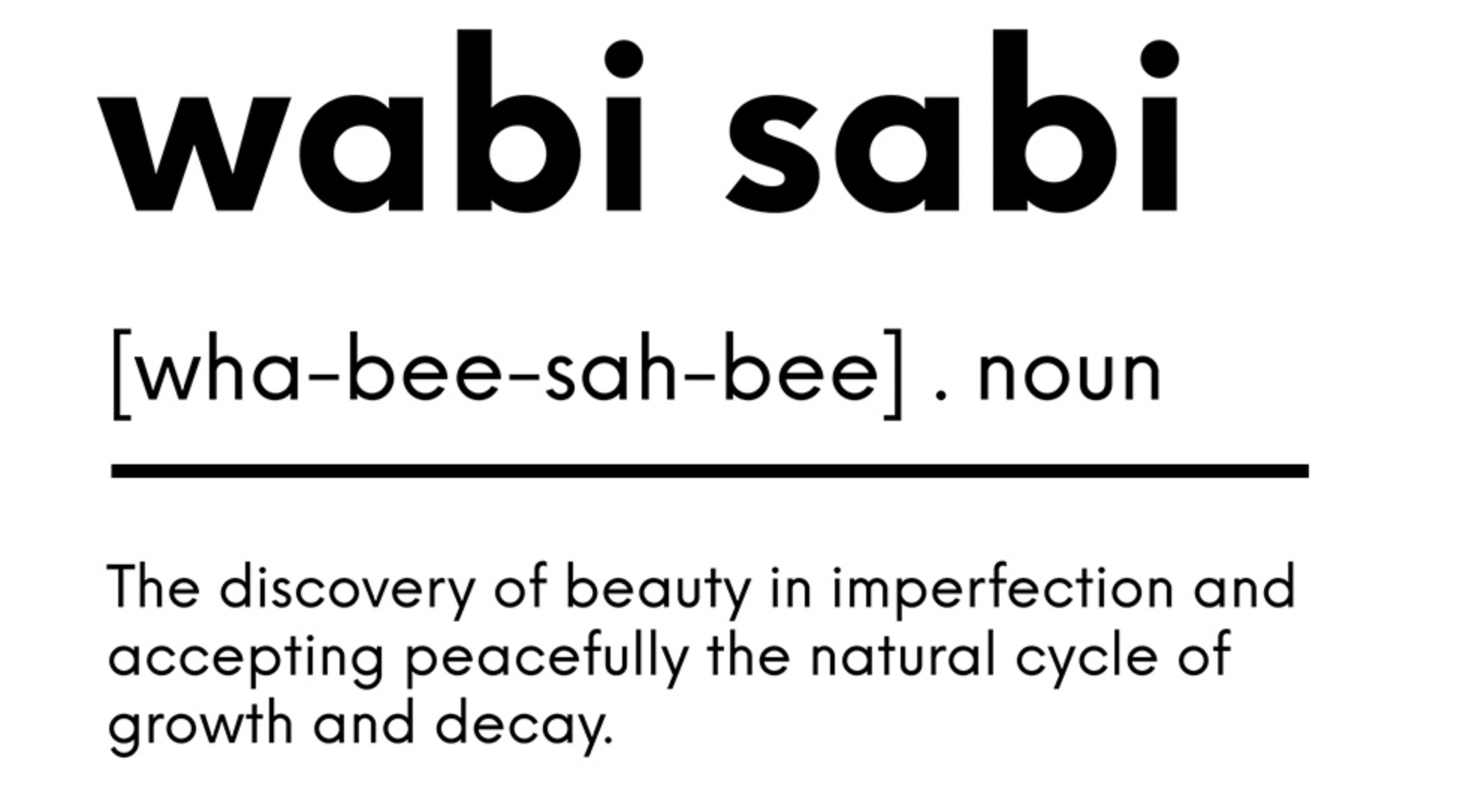
In his trend report, Ancill compares the renewed focus on the human aspect of the restaurant industry to the Japanese philosophy of wabi-sabi. According to this philosophy, imperfection, impermanence, and simplicity are sources of beauty. In the restaurant industry, this translates into concepts that no longer strive for culinary perfection, but for authenticity. For craftsmanship, natural materials, and spaces that feel organically formed rather than deliberately designed. For genuine human hospitality at the table. And yes—sometimes things go wrong.
Technology comes of age
At the same time, Ancill notes that the application of technology in hospitality is maturing. Artificial intelligence, automation, robotics, and data analytics are no longer experimental innovations, but tools that actively move the industry forward. Restaurant concepts use technology not as a calling card, but as an invisible engine behind the scenes: to improve staff planning, stabilize margins, and ensure consistent quality.
Consumer to moment
In the report, Ancill describes a shift away from traditional demographic thinking. Age, income, and household composition are no longer reliable predictors of where people eat, what they order, or how much they are willing to spend. Instead, demand is increasingly shaped by the occasion, mood, time of day, company, and economic context. To explain this complexity, Ancill introduces four types of consumers that offer a new perspective on how hospitality entrepreneurs should think about menu composition, brand positioning, and strategy in 2026. He describes these four consumer types as different mindsets that influence food choices both in restaurants and in retail:
-
Quality-driven consumers seek trust, craftsmanship, and reliability.
-
Value-oriented consumers focus on efficiency, fairness, and utility rather than absolute price.
-
Nostalgic consumers are drawn to familiarity, comfort, and emotional safety.
-
Adventurous consumers are motivated by discovery, global flavors, and cultural stories.
It is important to note that these mindsets are not static. The same guest may display value-seeking behavior at lunch, nostalgic behavior during a family dinner, adventurous behavior on the weekend, and quality-driven behavior when celebrating something special. Consumer demand therefore no longer differs per consumer, but per moment.
Timeless classics
On the plate, a clear recalibration is also visible, according to Ancill. Around the world, there is a growing demand for food that feels “timeless.” Food Inspiration also describes the renewed popularity of classics as one of the key trends for 2026. Timeless dishes such as a croquette sandwich, a pizza margherita, or homemade tomato soup. Ancient grains, root vegetables, fermented products, and open-fire cooking techniques are also making a strong comeback. It is a nostalgic response to an increasingly digital world.
Recognizable brands and concepts
That same dynamic explains the resurgence of heritage brands. Restaurant concepts with a clear history are regaining relevance because they offer stability, recognition, and emotional value in uncertain times. The brands that succeed are not those that cling rigidly to the past, but those that evolve with the spirit of the times. They modernize operations, refine ingredients, and improve training and sourcing, while keeping the core of the brand intact.
Food as medicine
Another highly influential theme for 2026, according to Ancill, is the integration of Food as Medicine: the transition from food as fuel to food as part of a healthy lifestyle. While the concept is often presented as a modern wellness phenomenon, it is essentially ancient. What is changing is how it is applied. Consumers are moving away from restrictive diets and preachy health claims. Instead, they want food that supports energy, focus, and well-being, without sacrificing comfort or pleasure. Functional ingredients such as fiber, mushrooms, and botanicals are finding their way onto the plate and into the glass.
Vegetables take center stage
Plant-based eating also reaches a new level of maturity in 2026. The focus is shifting away from ideological debates and ultra-processed meat substitutes toward more vegetables, legumes, grains, and mushrooms as full-fledged stars of the plate—often complemented by smaller amounts of animal protein. This approach broadens appeal, supports sustainability, and helps keep procurement costs under control, without limiting the sense of choice. And without being patronizing.
Zero-proof as a full-fledged category
Within the beverage world, alcohol-free cocktails and wine proxies have rapidly evolved from a niche into a fully established part of beverage menus. Younger consumers in particular are increasingly opting for drinks with little or no alcohol and less sugar. Operators who include innovative alcohol-free or low-alcohol options on their menus are, by 2026, almost guaranteed additional revenue moments.
Sustainability as a foundation
Sustainability is no longer a trend in 2026, but the backbone of operations, says Ancill. Sustainability now revolves around returns and resilience. Regenerative, local, and circular systems increase the long-term value of the food sector. For investors and board members, operating sustainably is increasingly seen as proof of strategic maturity.
The connecting role of hospitality
What connects all these developments is a sense of intentionality. In the renewed balance between technology and tradition, hospitality rediscovers its most essential role: nourishing people—not only operationally, but also emotionally.
About Robert Ancill
Robert Ancill is a globally recognized restaurant consultant and trendwatcher. He lives in Los Angeles but originally hails from Glasgow, Scotland. In 2002, he founded The Next Idea Group, a hospitality concept and design firm that has launched more than 800 restaurants and cafés in 24 countries. He is also CEO of TNI Restaurant Consultants and a board advisor to the AI-driven experience platform Atmosfy. Ancill publishes annual trend reports on robotics, AI, plant-based innovation, and the evolution of casual dining.
.jpg)